


We spent $18,026 on paid ads for a family art studio.
We got 87 purchases.
That’s $207 to acquire a customer.
The cheapest product in the store? $79.
The math stopped mathing a long time ago.
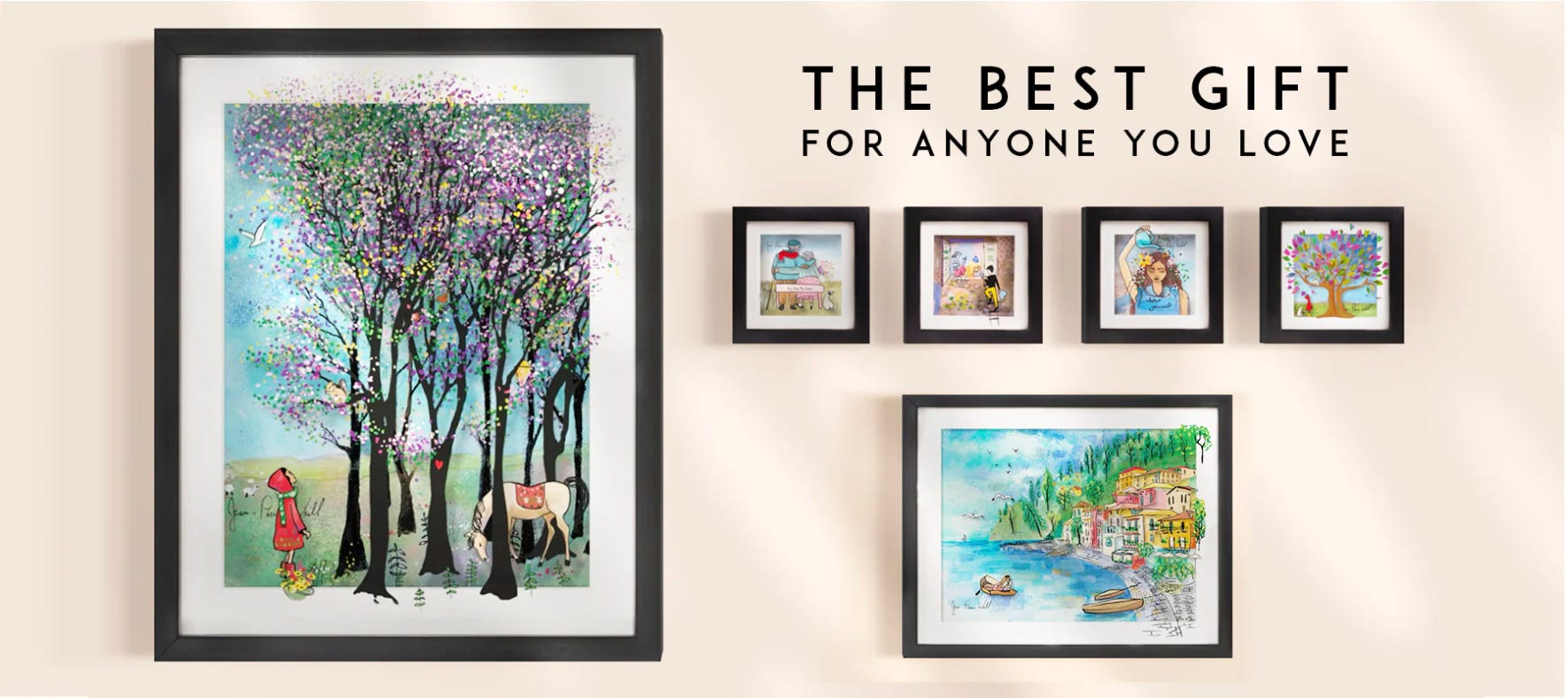
This is the story of Jean-Pierre Weill Studios, a family-run business creating something genuinely rare: 3D paintings on glass. Hand-painted. Layers of depth. Pieces that start at $79 for the Mini Collection and go up to $15,900 for museum-quality Grand editions.
I’ve been working with them on creative, PPC, and SEO. You can see the full case study on my portfolio. We crafted stunning creatives. Launched high-impact ads. Optimized campaigns across Meta and Google.
And we learned something painful together.
🔨 What We Broke
The e-commerce playbook that says “spend money, get customers.”
Here’s what the data actually showed us:
Meta Ads (Nov 2024 to Apr 2025):
Total Spent: $15,387
Total Purchases: 82
Cost Per Purchase: $187.65
ROAS: 0.85x
Google Ads:
Total Spent: $2,639
Actual Purchases: 5
Cost Per Purchase: $527.94
Read that Google number again. Five hundred and twenty-seven dollars to acquire a single customer. On a platform where we were competing against mass-produced wall art from companies with infinite budgets.
The ROAS of 0.85x means for every dollar we put in, we got 85 cents back. We were paying to lose money.
🧪 What We Tested
We tried everything.
Performance Max campaigns. Advantage+ on Meta. Retargeting sequences. Lookalike audiences. Black Friday pushes. Different creatives, different hooks, different audiences.
Some ads performed better than others. Our best Meta ad hit a $41 cost per purchase. But even that winner couldn’t overcome the fundamental problem:
When someone searches “unique wall art” or “3D painting,” they’re shown our handcrafted $3,100 Classique Collection next to a $29 Amazon print. The algorithm doesn’t know the difference. The shopper has to figure it out in 0.3 seconds while scrolling.
We weren’t losing because our ads were bad. We were losing because the arena was wrong.
Art isn’t a commodity. But PPC treats everything like one.
✅ What Actually Worked
Two plays. One organic. One B2B.
🌿 The Organic Play: Give the Art Away (Digitally)
We stopped trying to sell in the feed and started giving people a reason to live with the art.
Free wallpapers.
We took the studio’s most beautiful pieces and turned them into phone wallpapers. No purchase required. No email gate. Just beautiful art that people could carry in their pocket every day.
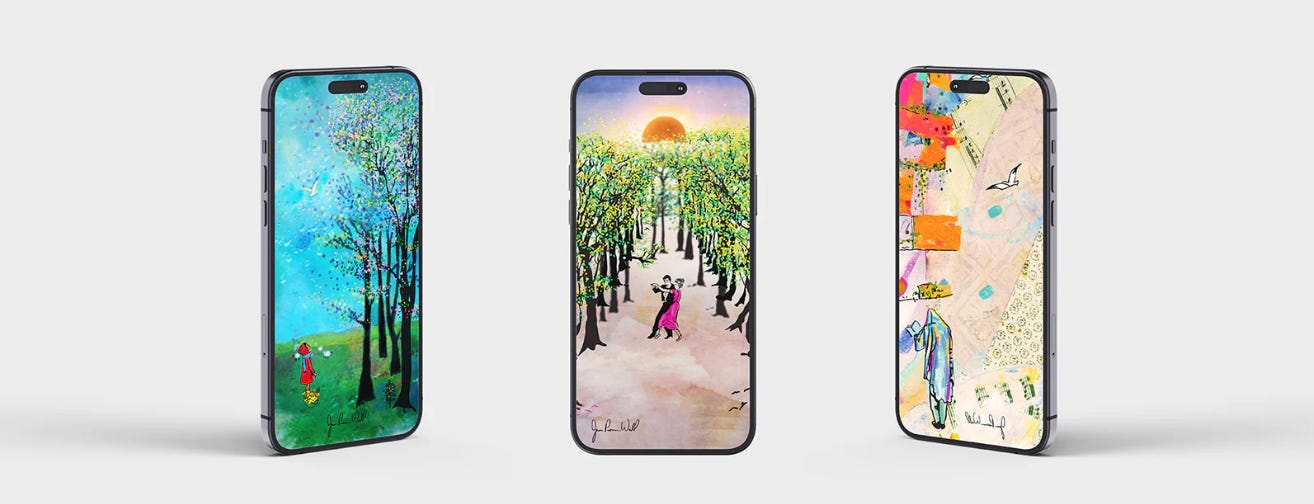
Pinterest became the distribution engine. The platform is built for this. People actively search for “aesthetic wallpapers,” “unique phone backgrounds,” “art for iPhone.” They’re not scrolling mindlessly. They’re hunting.
And when someone sets your art as their wallpaper, they see it 100+ times a day. That’s brand exposure you can’t buy. That’s the kind of slow-burn familiarity that turns into “I finally bought one of those glass paintings I’ve had on my phone for six months.”
The organic SEO work compounds on top of this. Blog content. Pinterest optimization. Building the kind of presence that doesn’t disappear when you stop paying.
🏛️ The B2B Play: Sell to the Sellers
The pieces were already in galleries. Real ones. Places where customers walk in expecting to pay for craftsmanship. Where a $3,100 price tag is normal, not insane.
So we asked: What if we stopped selling art to consumers and started selling to the places that sell art?
We used Clay to scrape gallery databases. Hundreds of them. We looked for galleries with physical stores, gift shops, places that actually move inventory.
Then we identified the decision makers: art store managers, gallery curators, wholesale buyers.
One wholesale relationship = dozens of pieces moving. No CPA nightmare. No bidding war against IKEA.
🔥 Bottom Line
Some products don’t belong in the PPC arena.
When your cost per acquisition is higher than your entry-level product, that’s not a bid optimization problem. It’s a channel problem. When your ROAS is below 1x, the algorithm isn’t broken. Your strategy is.
We learned this the hard way. $18,000 worth of hard.
The studio makes something genuinely beautiful. Hand-painted glass art with real depth, created by a family that cares about every piece. That story doesn’t compress into a 15-second scroll.
But it does resonate on Pinterest, where people actively search for beauty. And it resonates with gallery owners who understand craftsmanship.
TL;DR: We burned $18k on paid ads with a 0.85x ROAS. Google was especially brutal at $528/purchase. The product wasn’t the problem. The channel was. Now we’re running organic through Pinterest and free wallpapers, while building wholesale gallery relationships using Clay for prospecting. Zero ad spend. More brand love.